
Building Block Advent Calendars vs. Traditional Advent Calendars: Which Makes Better Family Memories?
Building block advent calendars make a different kind of family memory than traditional advent calendars, because the daily act leaves a village instead of an empty door. Which format makes better memories depends on what should still be there on December 25: one shared scene, or a series of small reveals that are used up. A gingerbread house mini building set is the building-block example here, not a claim that every traditional calendar is the same object.
Compare what is left after December 24
A building block countdown ends with something still on the shelf. This set becomes a snowy village: three gingerbread houses, each with its own warm LED, plus a Christmas tree, a Christmas train, Santa's sleigh, a gingerbread man, a snowman, candy canes, a Christmas wreath, a squirrel, a Christmas mailbox, a bakery, bread, and other festive accessories. The memory has a physical reminder that stays in the room. Traditional advent calendars, in the usual sense of doors that hide chocolate, a picture, or a tiny consumable, end when the last door is empty. That memory is real, and it is tied to the ritual of opening rather than to a display that remains.
Neither leftover is automatically better. A household with no surface for a village may prefer a traditional calendar that finishes cleanly. A household that likes to walk past a lighted scene in the last week of December gets more from the blocks. The listing does not name a material, so durability beyond firmly connected pieces is not proven on the page. The comparison is about the kind of memory, not about a lab score.
See which daily action makes the memory
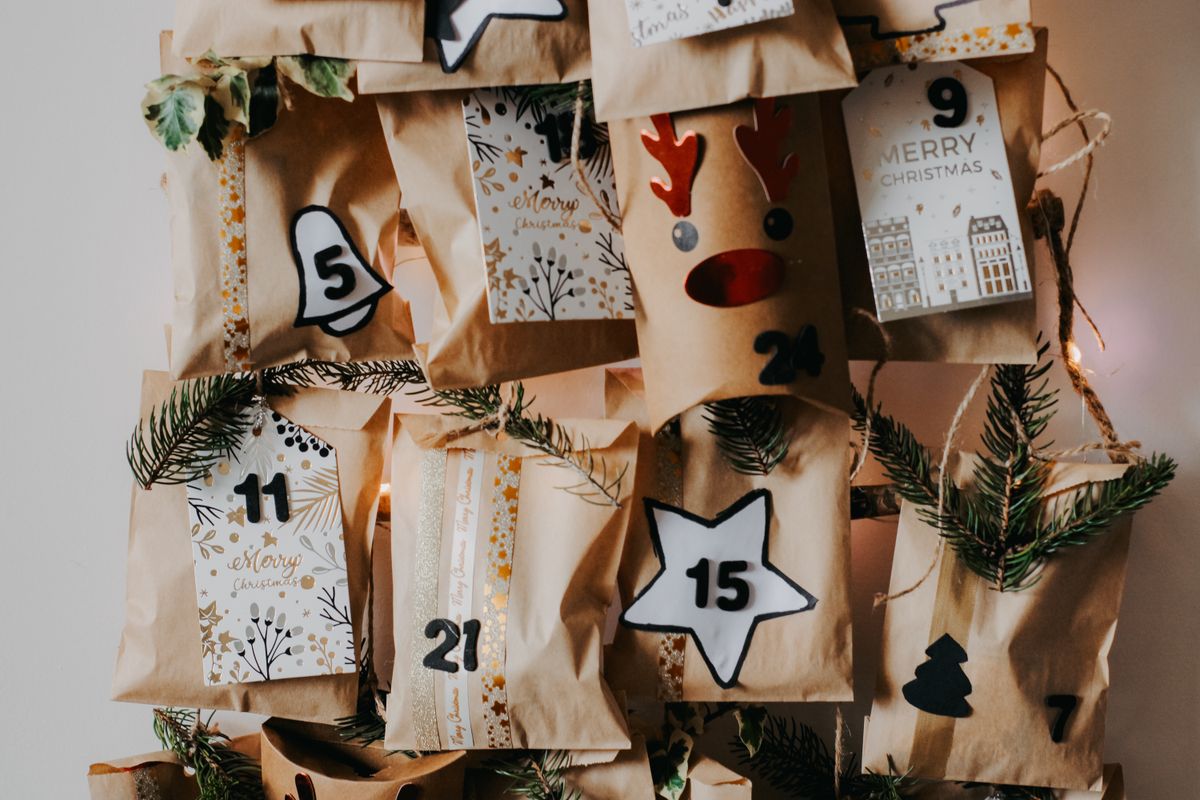
The memory is mostly the repeated action. On this set the action is opening one numbered box from December 1 through December 24 and building what is inside with the included instructions. That takes more minutes than opening a small door, and the minutes are shared. The page presents the set as a build together and as a gift for kids, family, friends, or a gift exchange. Traditional calendars often take under a minute and can be finished alone. Both can become traditions. They train different habits.
Which one makes the stronger memory is not a published test. The listing offers no rating and no study. The practical test is whether the family will still sit down on night 18. If the answer is yes, the building block format has room to become the memory people retell. If evenings are already packed, a traditional calendar may be the one that actually happens. A calendar that happens beats a more elaborate one that stops in the first week.
Decide what better means for that family
Better, in this comparison, means a closer match to the memory the family wants to retell. Retelling a building month sounds like the night the train went together, or the night the first house showed its warm LED. Retelling a traditional month sounds like the door with the favorite treat, or the picture behind a middle date. Both stories are valid. They are not the same story, and pretending they are makes the choice muddy.
The store product name is Christmas Village Advent Calendar, listed at $29.95, with the supplier line INSOON. That price buys the 24-day build described above. It does not buy a chocolate calendar, and it does not include a stated piece count, age grade, or warranty. Families choosing on memories should ignore unstated numbers and ask only whether they want a village still standing after the last box. That question decides which format makes the better memory for them.
Memory tradeoffs between the two formats
| Question | Building block calendar | Traditional advent calendar | | --- | --- | --- | | What remains | A village display | Often an empty carton | | Daily time | A short shared build | Usually a quick open | | Light | Warm LED in each gingerbread house | Not part of this comparison | | Missed day | One box can wait until next time | A door can wait, pace still matters | | After December 24 | Scene can stay out | Little left to display |
Choose on memories rather than slogans
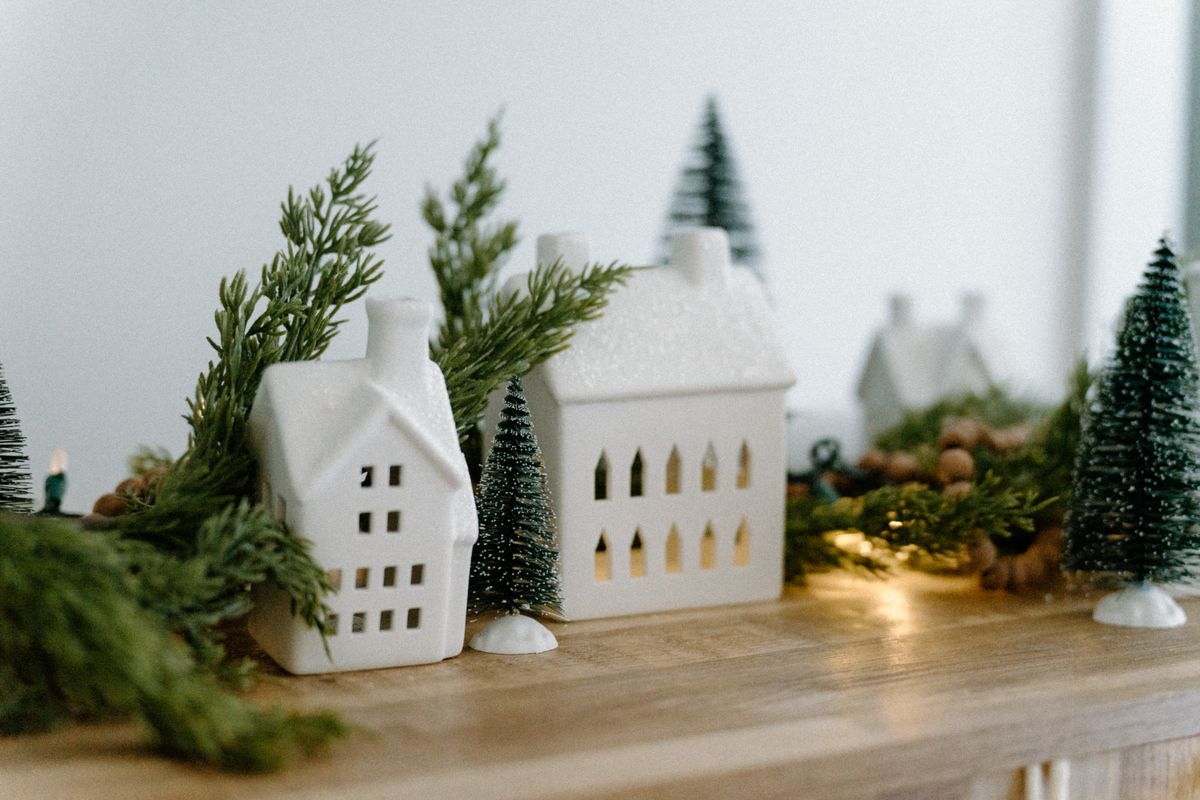
Photo by Natasha Fernandez on Pexels
- Name the memory the family wants to retell next year.
- Check whether a surface can hold a village all month.
- Prefer the building set if a shared nightly build is realistic.
- Prefer a traditional calendar if evenings cannot hold a build.
- Do not treat a missing piece count as a tie-breaker.
- Remember that only the gingerbread houses are described with a warm LED.
Questions about memories and calendar format
Which format makes better family memories?
The format the household will actually repeat makes the better memory. Building block calendars suit families who want a village left standing. Traditional calendars suit families who want a fast daily reveal and a clear table afterward.
Do traditional calendars always contain chocolate?
No. Traditional, as used here, means a door-a-day calendar whose surprise is used up or simply looked at, which often includes chocolate but can also be a picture or another small non-building item. This listing is not that kind of calendar.
Can one family keep both formats?
Yes. Some households use a short traditional door in the morning and the numbered building box in the evening. The building set still needs its own one-box rule from December 1 through December 24, or the village pace collapses.
Does the lighted village make the memory by itself?
The warm LED in each gingerbread house makes the finished scene easier to notice, which helps a memory stick to a place in the room. The listing does not claim the light itself creates a stronger memory than the shared build.
Related reading
Related comparisons cover building sets versus chocolate countdowns, a repeatable family routine, and heirloom standards.
- building sets compared with chocolate calendars
- a countdown routine families can repeat
- standards people use for heirloom quality
What to do next
Ask which leftover the household wants on December 25: a village, or an empty traditional calendar. If the answer is the village, and most evenings can hold one numbered box, the building block set matches that memory. If evenings cannot hold a build, choose the shorter traditional ritual instead of starting a project that will stall.
Cover photo by Jean-Baptiste Terrazzoni on Pexels.